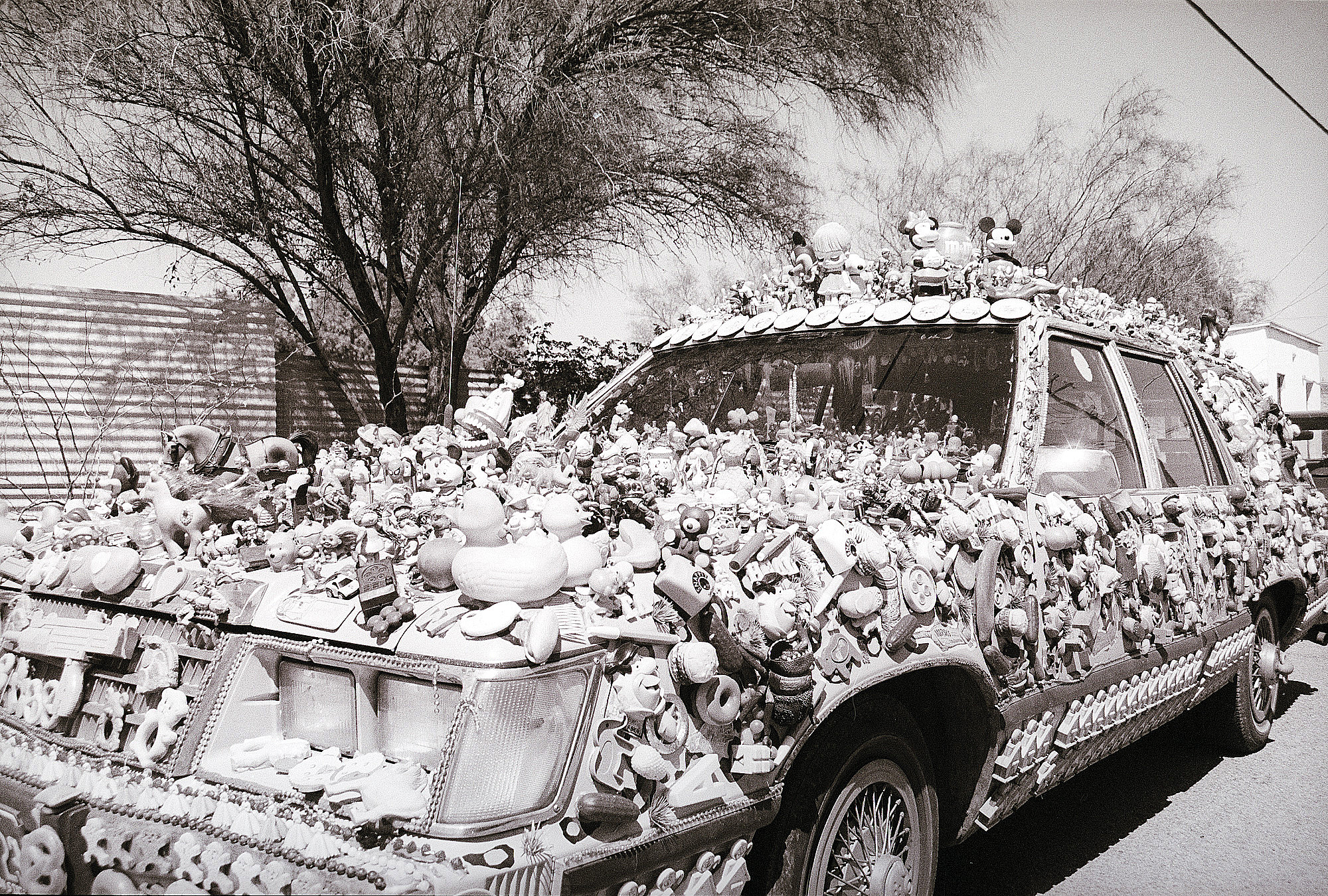
«Toycar» Tucson, Arizona 1998 ©CCC
PHOTOGRAPHY AS ART—EARLY WORKS BY ARMIN RASO
Documentary arts practice with traditional photographic methods (1998-2005).

In early 1998, my journey as an artist took an inspiring turn when becoming a «Resident Artist» at the International Arts Center in Tucson. During this transformative period, I had the privilege of enrolling in classes of documentary art photography at the University of Arizona, taught by José Galvez. My time under his guidance not only reshaped my perspective but also profoundly influenced the course of my artistic path. Like many black and white photographers, I embraced the documentary photography tradition early in my career and over the course of twenty-five years, my vision develops to a persisting exploration of the human continuum.

José Galvez instilled in me a deep appreciation for the power of visual storytelling and encouraged me to seek out and capture the nuances of culture and identity, pushing the boundaries of creativity. His support from a place of deep experience and expertise were instrumental in setting me on a path towards exploring my own voice and perspective, to find the stories that resonated with me on a personal level.

I discovered a new way of seeing the world, one that continues to inspire and inform my work as a documentary photographer today, serving the importance of empathy, authenticity and dedication, qualities that are essential in this field. Conveying nostalgia and raising reminiscence have since become my manifest and my signature is emphasized by a strong sense of character and personality.
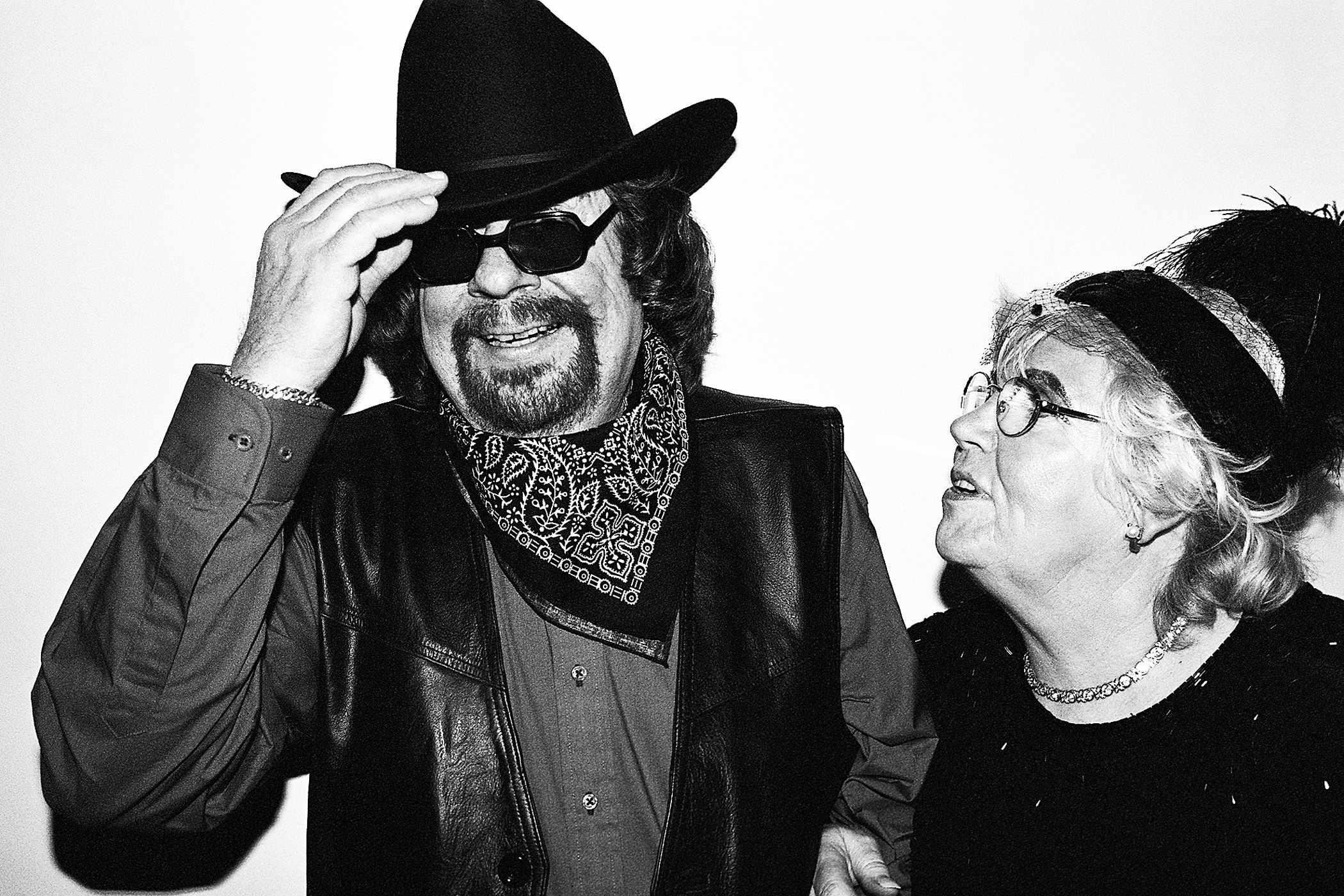

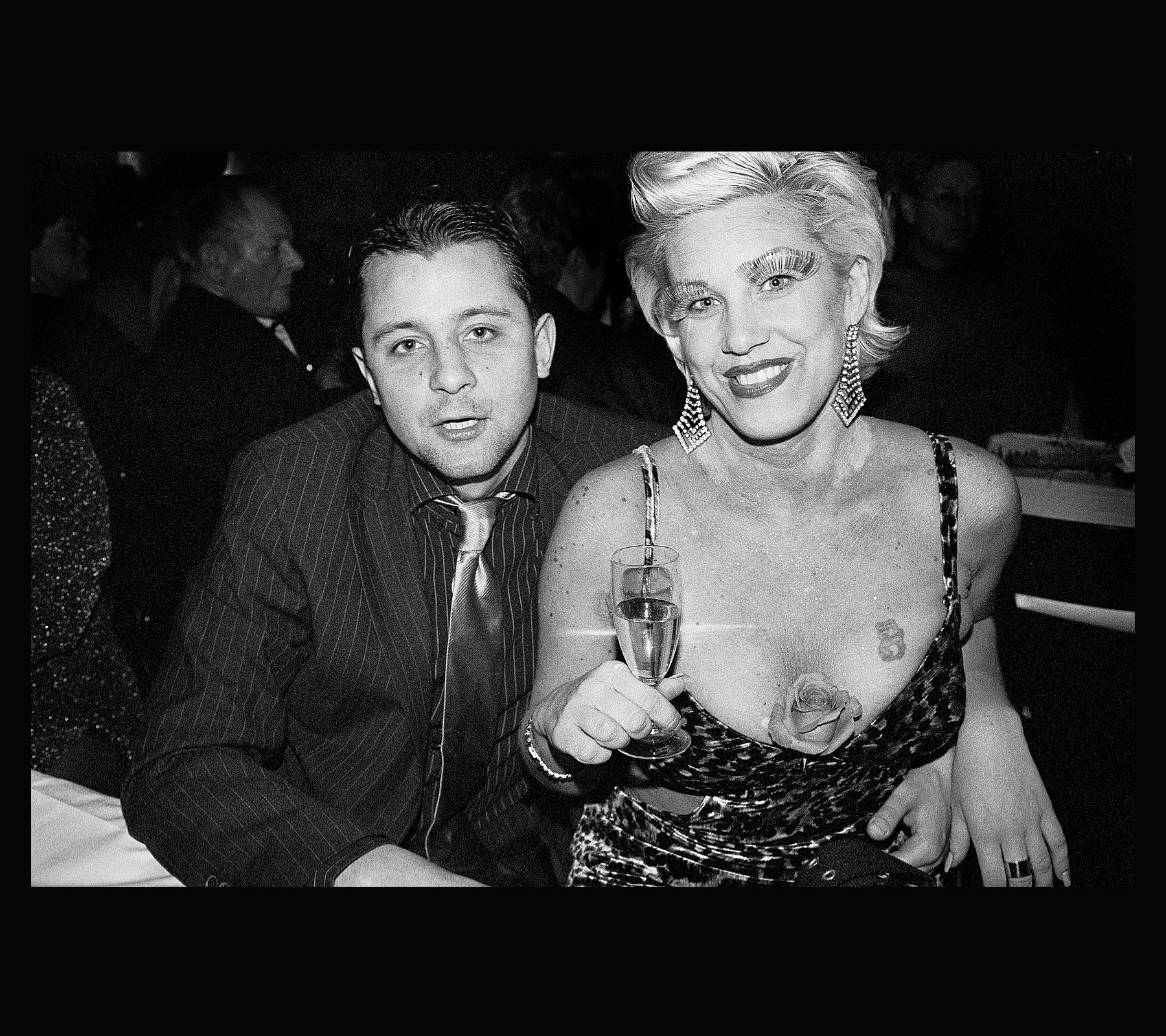
«Couple at a costume ball» Hamburg 2004 ©CCC


THE JOURNALISTIC PORTRAIT

«Couple at a costume ball» Hamburg 2004 ©CCC

A journalistic portrait, in my practice, is not a studio mask or pose—it is a meeting: a person, a situation, and the brief interval in which a life still shows itself before it becomes history.

The journalistic portrait sits between reportage and biography. It records a person inside the weather of their time: work, city, threshold, fatigue, pride, the room they actually inhabit. The frame is an ethical act. I wait until the person is no longer performing for the camera, and not yet hiding from it.

The method is simple and severe. Natural light. Few instructions. No theatrical costume unless the life itself already wears one. What is sought is the unrepeatable: a glance that will not come again, a room that will be emptied, a public self that is still privately unfinished.

These images belong to editorial and artistic use alike. They can serve a magazine, an archive, or a wall. Their first loyalty is neither branding nor spectacle. It is testimony: that someone was here, in this light, and that existence itself is the work we are already making.

Some moments cannot be repeated—only remembered.

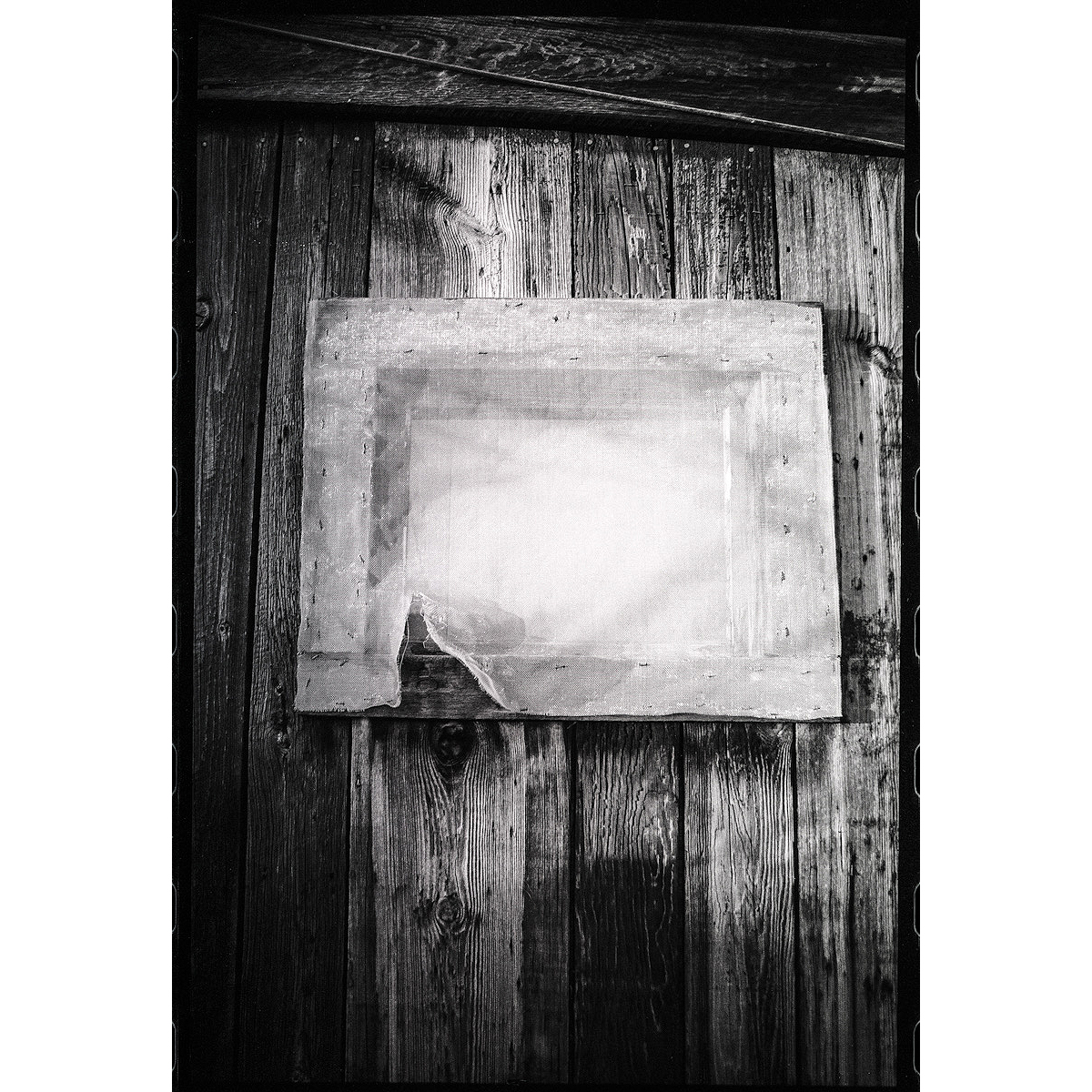
«Untitled» Tucson, Arizona 1998 ©CCC


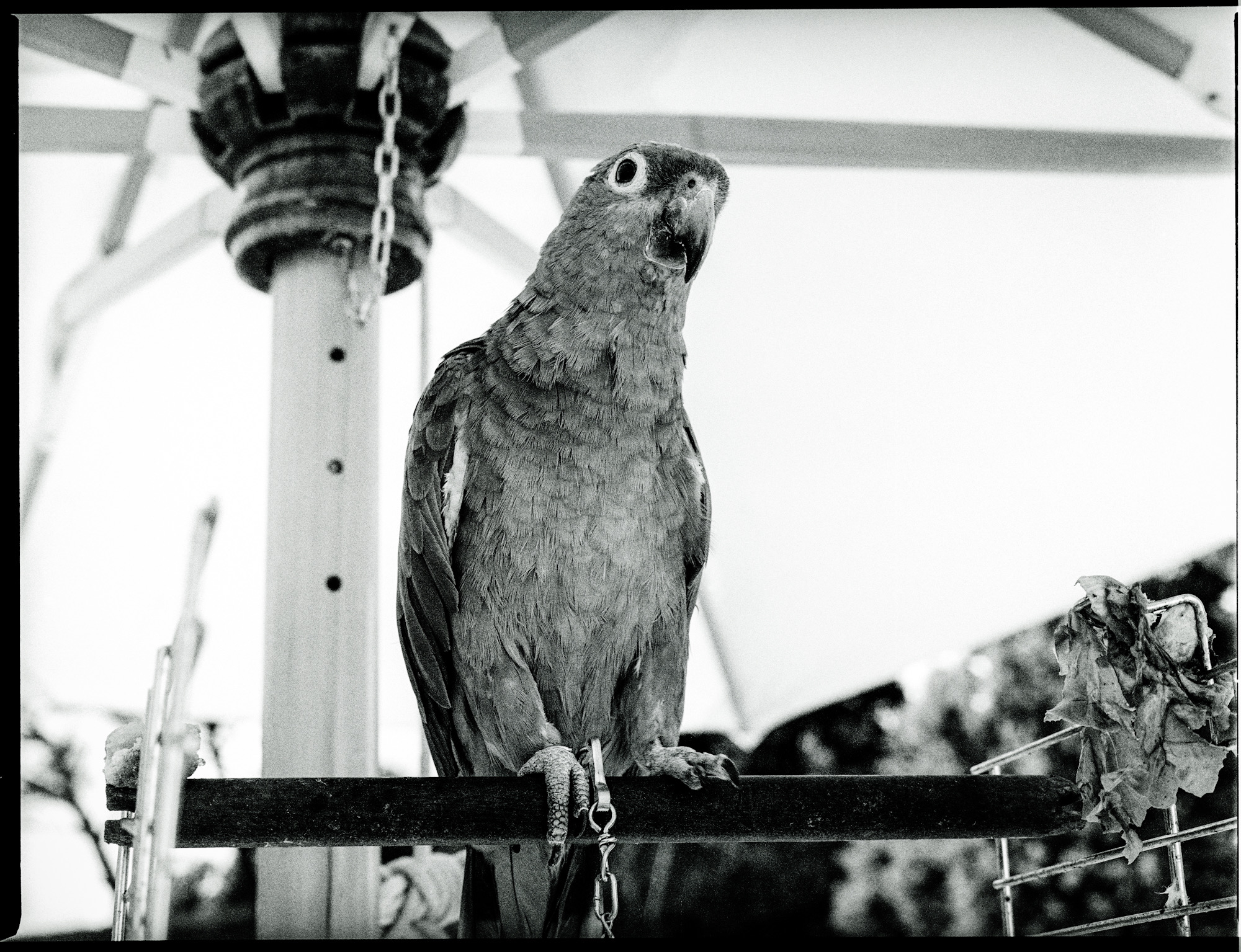
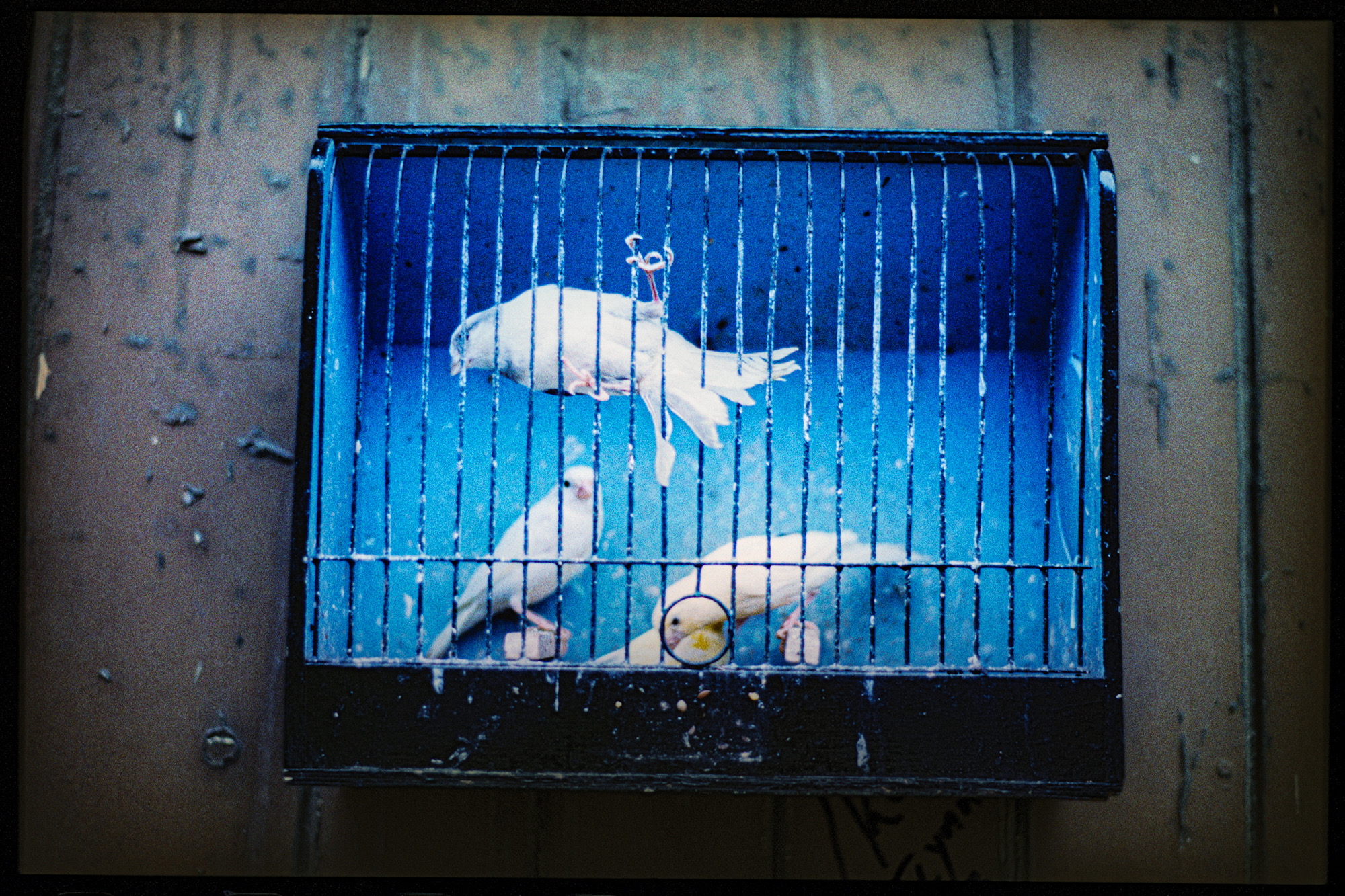
«Parrot» France 2001 ©CCC


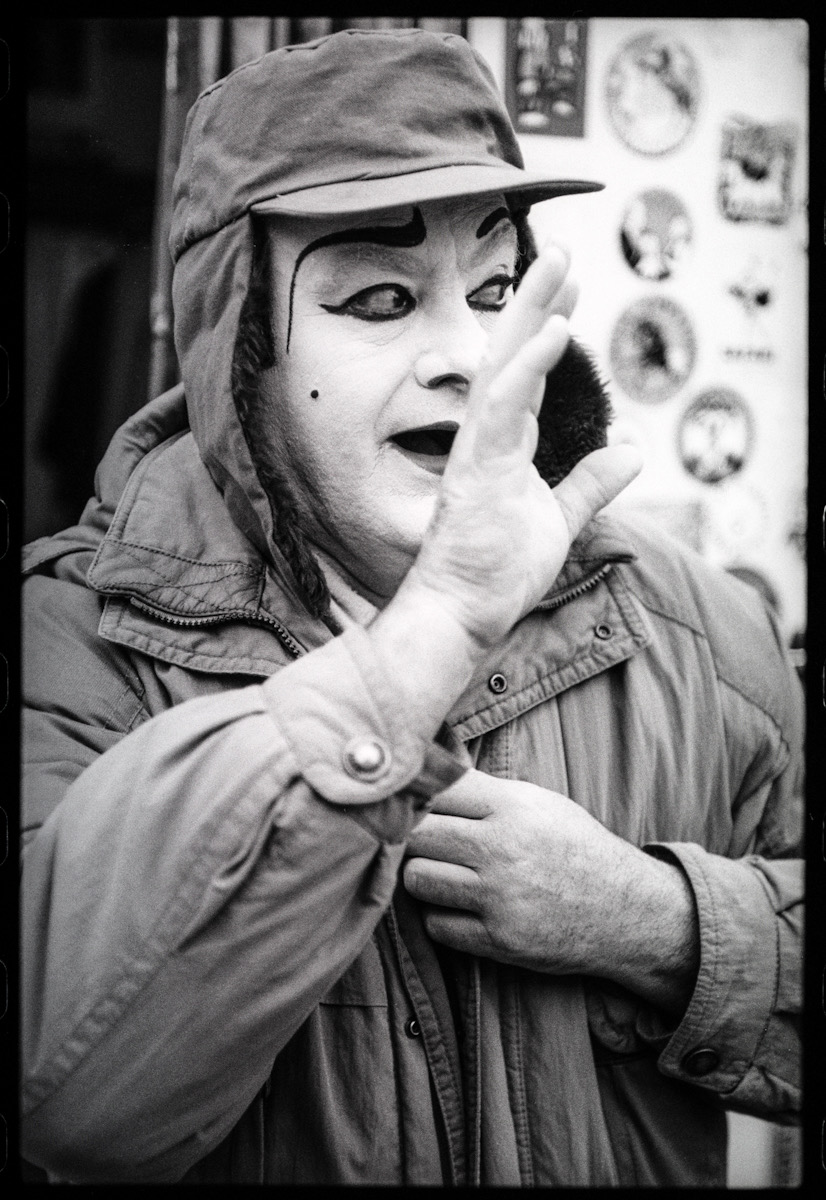
«Bruno Stutz, Whiteclown» Hamburg 2002 ©CCC


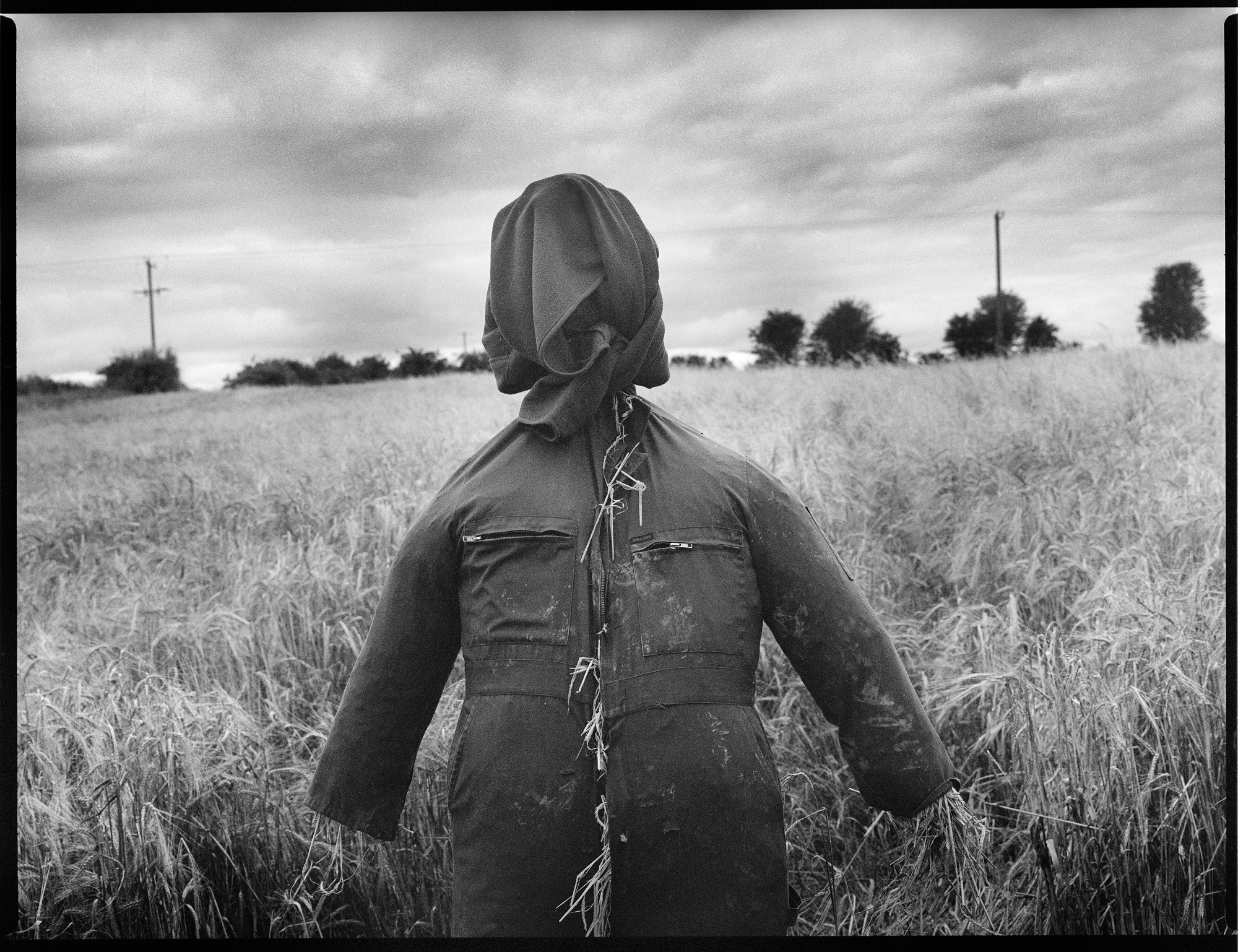
«Strawman» Ireland 2006 ©CCC


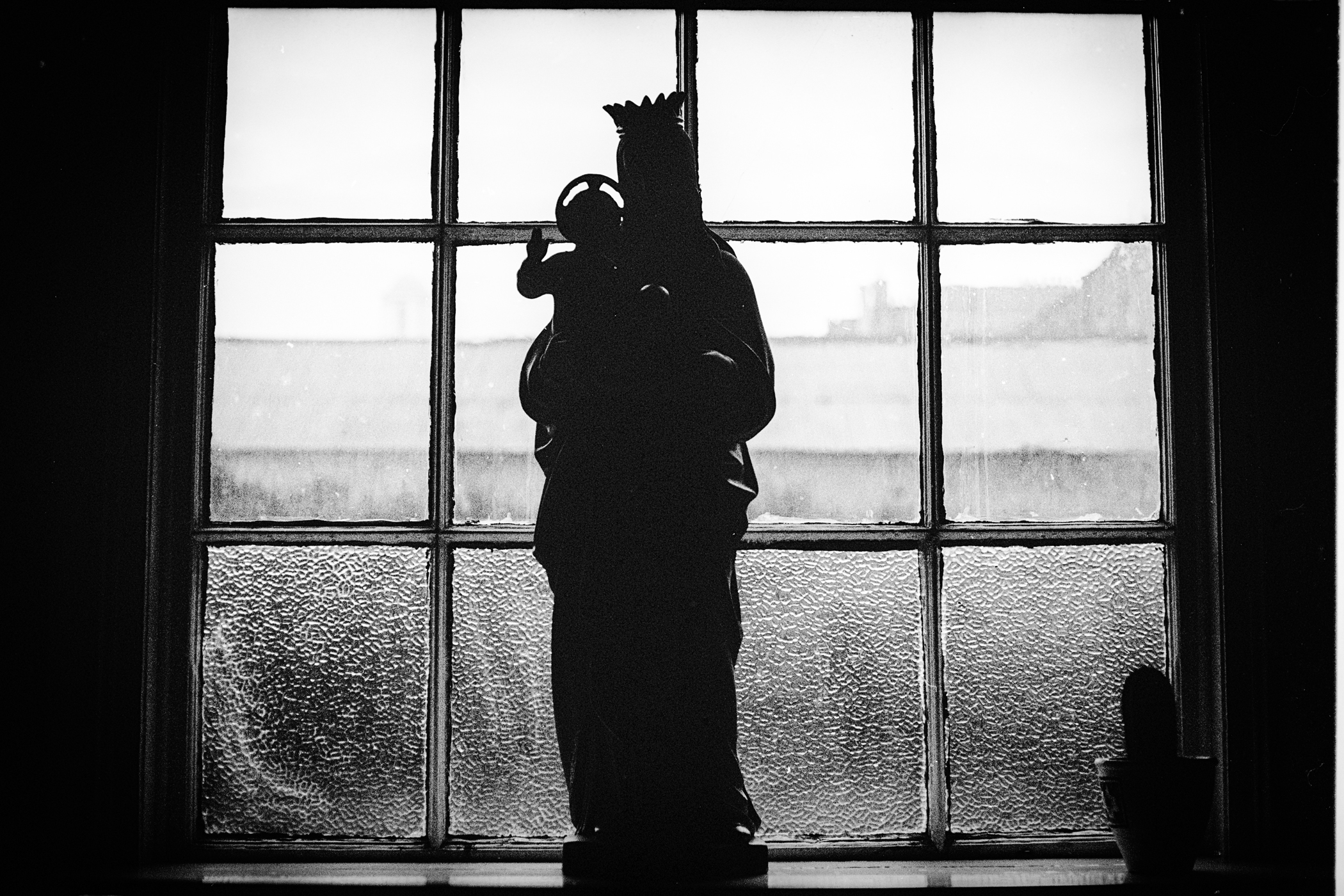
«Baby Jesus and Mother Mary» Dublin 2005 ©CCC


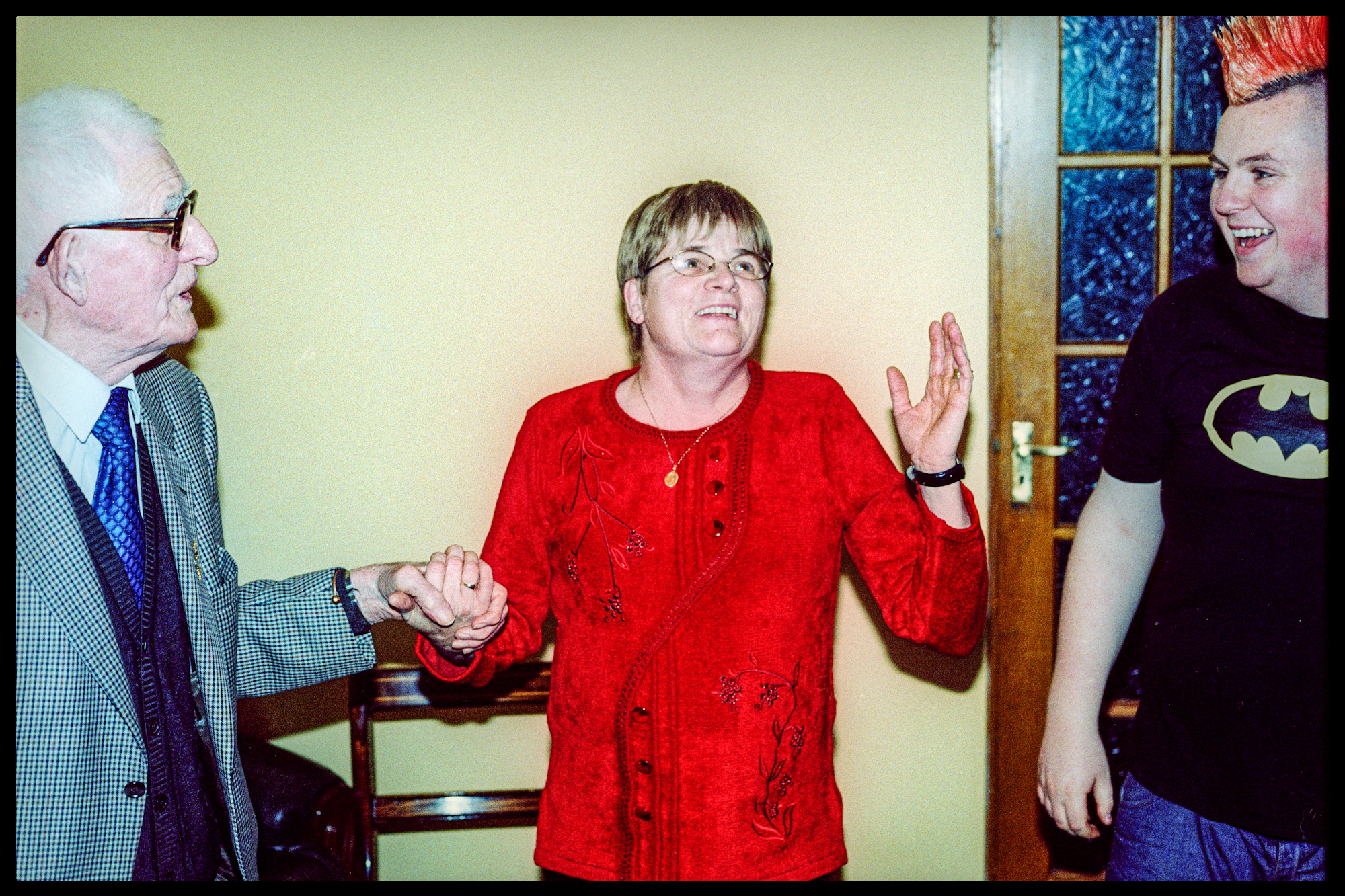
«The Nelsons» Carlow 2005 ©CCC


«Blue Sky» Dublin 2005 ©CCC


THE EDITORIAL IMAGE

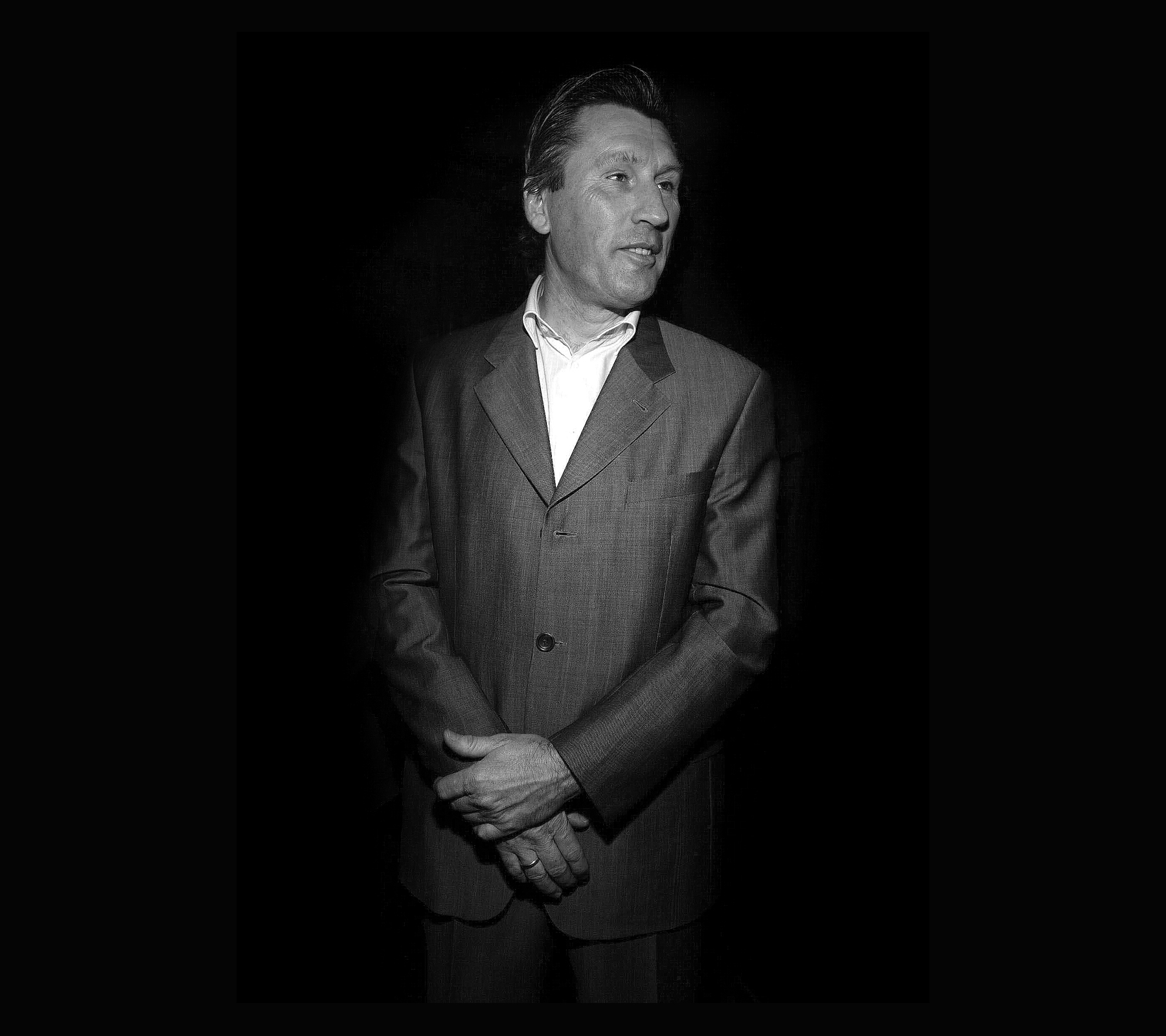
«Soccer legend Manfred "Manni" Kaltz» Hamburg 2003 ©CCC

A journalistic portrait, in my practice, is not a studio mask or pose—it is a meeting: a person, a situation, and the brief interval in which a life still shows itself before it becomes history.

The journalistic portrait sits between reportage and biography. It records a person inside the weather of their time: work, city, threshold, fatigue, pride, the room they actually inhabit. The frame is an ethical act. I wait until the person is no longer performing for the camera, and not yet hiding from it.

The method is simple and severe. Natural light. Few instructions. No theatrical costume unless the life itself already wears one. What is sought is the unrepeatable: a glance that will not come again, a room that will be emptied, a public self that is still privately unfinished.

These images belong to editorial and artistic use alike. They can serve a magazine, an archive, or a wall. Their first loyalty is neither branding nor spectacle. It is testimony: that someone was here, in this light, and that existence itself is the work we are already making.

Some moments cannot be repeated—only remembered.